Centrelink ID Verification Rules – From 1 February 2026, Centrelink is rolling out important ID verification rule changes that will affect millions of people across Australia. These updates are designed to strengthen identity security, reduce fraud, and ensure government payments reach the right individuals. Australian residents who receive Centrelink payments, concessions, or services will need to review their personal records and confirm that their identity documents meet the new standards. Failing to update required documents on time could lead to delays, payment suspensions, or extra checks. Understanding what has changed, who is affected, and which documents must be updated is essential for staying compliant.
Centrelink ID Verification Changes for Australian Citizens in 2026
The new Centrelink ID verification rules introduce stricter checks for Australian citizens accessing government services. From February 2026, Services Australia will require clearer, up-to-date identity records to confirm eligibility for payments such as Age Pension, JobSeeker, Youth Allowance, and Family Tax Benefit. These changes aim to reduce identity misuse by ensuring that names, dates of birth, and residential details exactly match official records. Australians who have changed their name, moved address, or renewed key documents recently are more likely to be asked for updates. Linking documents correctly through myGov and Centrelink online accounts will become more important than ever to avoid disruptions.
 Australia Driving Licence Rules Changing From 1 February 2026 — What Every Driver Should Know
Documents That Must Be Updated Under New Rules Across Australia
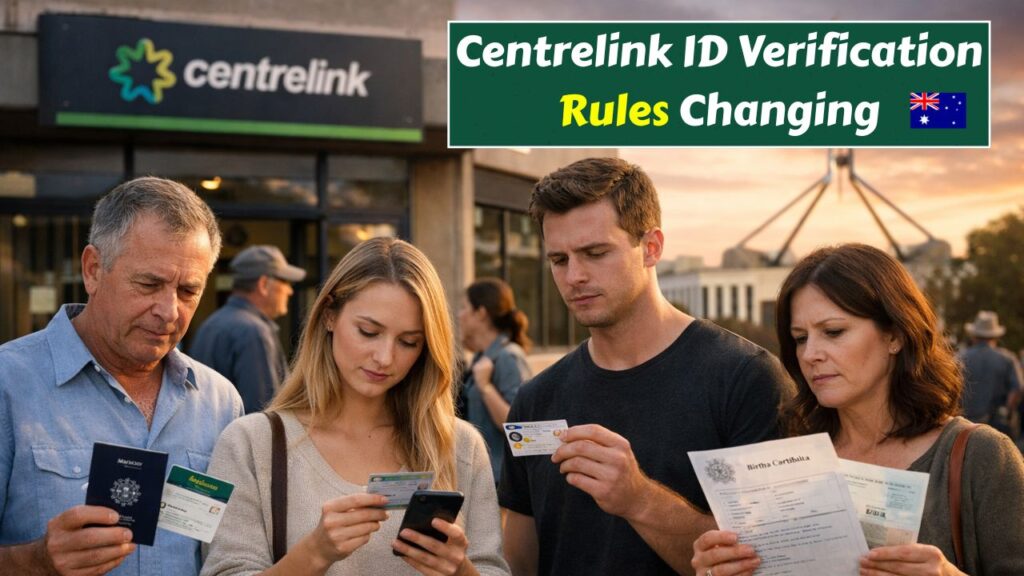
Under the revised verification process, Centrelink will focus on core identity documents used by people across Australia. This includes primary documents such as passports and birth certificates, along with secondary records like driver licences and Medicare cards. If any of these documents are expired, damaged, or contain outdated details, individuals may be required to submit replacements. Australians who rely on digital services should also ensure scanned copies are clear and legible. The government has indicated that mismatched information across systems could trigger temporary holds while verification is completed, making early updates highly recommended.

| Document Type | Who Needs to Update |
|---|---|
| Passport | Expired or recently renewed holders |
| Driver Licence | Address or name change cases |
| Birth Certificate | Name correction or reissue cases |
| Medicare Card | Outdated family or personal details |
| ImmiCard | Permanent residents and visa holders |
How Centrelink Verification Updates Affect Australians on Payments
For Australians receiving Centrelink payments, the new ID verification rules could directly affect payment continuity. Services Australia has confirmed that accounts flagged for missing or outdated identity documents may face processing delays. This does not automatically mean payments will stop, but recipients may be contacted to provide additional proof within a set timeframe. People on long-term payments, including disability and pension recipients, are encouraged to review their records early. Keeping documents current helps ensure smooth access to benefits and reduces the risk of administrative issues once the new system is fully enforced.
Preparing for Centrelink Identity Checks in the Australian System
Preparing for the updated Centrelink identity checks is a practical step for people living in Australia. Checking your Centrelink online account, reviewing uploaded documents, and confirming personal details now can prevent stress later. Those who struggle with online access can visit a Services Australia centre for help. The Australian government has emphasized that these changes are about protection, not penalties. By ensuring your identity records are accurate and complete, you can continue receiving support without interruption and stay aligned with the strengthened national verification framework.
Frequently Asked Questions (FAQs)

1. When do the new Centrelink ID verification rules start?
The updated Centrelink ID verification rules take effect from 1 February 2026.
2. Will my Centrelink payments stop if documents are outdated?
Payments are not automatically stopped, but delays can occur until verification is completed.
3. Do all Australians need to update their ID documents?
Only people with expired, incorrect, or missing details will usually be asked to update documents.
4. Can ID documents be updated online for Centrelink?
Yes, most documents can be updated through your Centrelink or myGov online account.